Faith & Character
Taqwa
- Islamic adab (good manners) and morals
- Qur'an memorisation and daily du'a
- Habits of worship: prayer (salah), dhikr and adab
- Strong moral leadership
The Al Madinah Curriculum
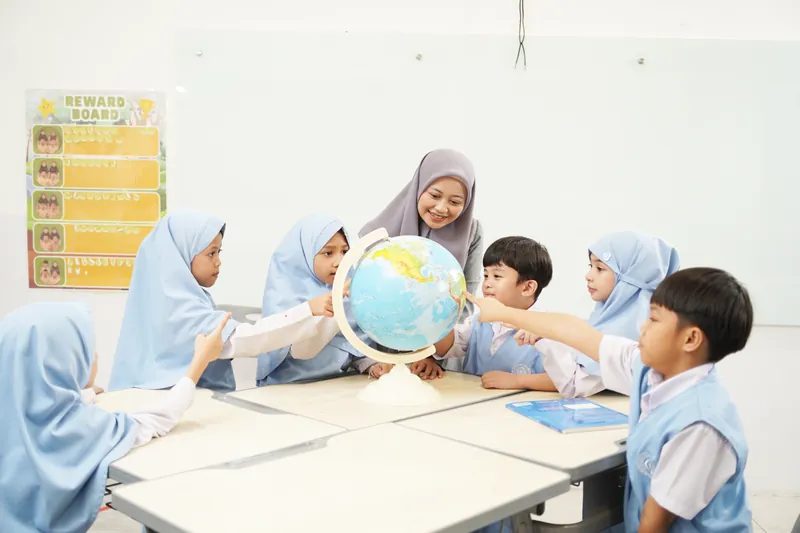
More than a collection of subjects. Our curriculum is made up of four components that work together: the Indonesian National Curriculum, Cambridge International, Tahsin & Tahfidz (Qur'an recitation and memorisation) with the Ummi method, and Character Building & Life Skills.
Raising Future Muslim Leaders
The Al Madinah curriculum is a single learning ecosystem designed to help children grow up God-conscious, creative and adaptable.
 COMPONENT 1Indonesian National CurriculumAcademic foundation
 COMPONENT 2Cambridge InternationalGlobal standards
 COMPONENT 3Tahsin & Tahfidz: Ummi MethodQur'anic excellence
 COMPONENT 4Character Building & Life SkillsCharacter formation
Al Madinah is the first Islamic school in Makassar to become a Cambridge International School. This shows that Islamic values and global academic standards do not conflict; rather, they strengthen each other.
Component 1 · Academic foundation
The Indonesian National Curriculum forms the academic foundation for children at every level. This curriculum:
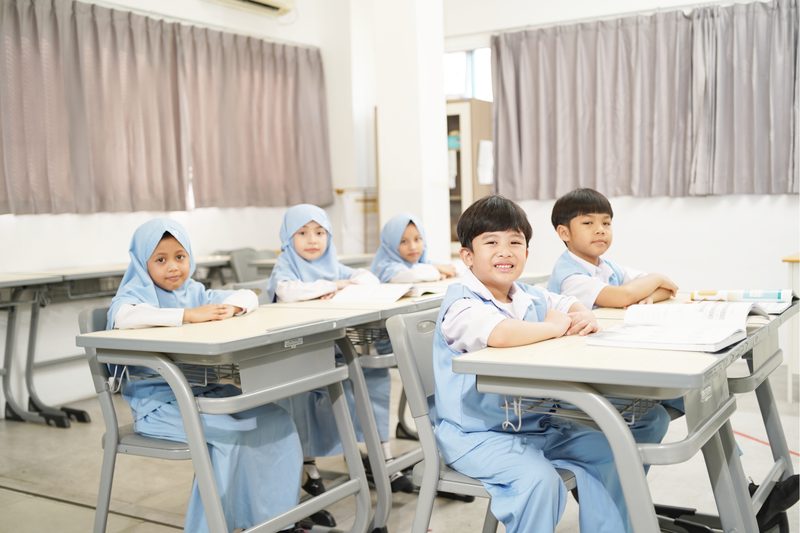
Lays the foundations of language, pre-literacy and pre-numeracy through play, with an introduction to religious values and good character from an early age.
Builds core literacy and numeracy through Bahasa Indonesia, Mathematics, natural and social sciences, and Islamic Religious Education and Pancasila Education, so that children achieve the national learning outcomes.
Continues to strengthen academic learning in line with national standards, alongside the Cambridge pathway.
Component 2 · Global standards
The Cambridge International curriculum is recognised in more than 160 countries. It develops conceptual understanding, critical thinking and communication skills, rather than rote memorisation, and offers a clear learning pathway from the early years through to university preparation.
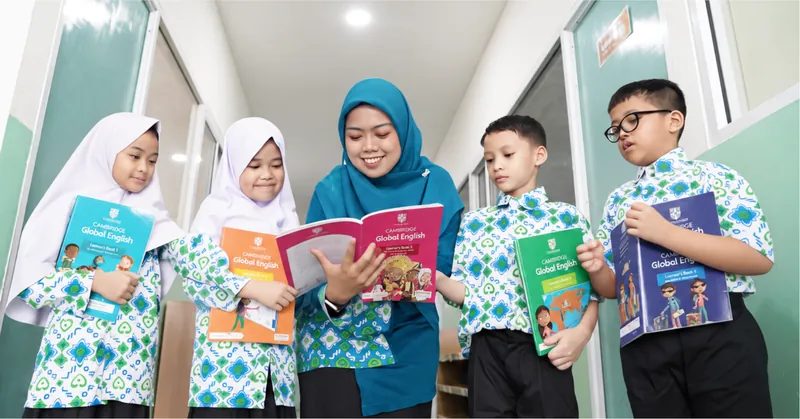
Children learn through play and exploration. The focus is on language, early literacy and numeracy, understanding the world around them, and social-emotional and physical development and creativity.
Core skills are built through English, Mathematics and Science, complemented by supporting subjects such as Global Perspectives, ICT, and art and sport. Students' progress is monitored regularly, with Cambridge Primary Checkpoint at the end of the stage.
Cambridge Lower Secondary deepens academic skills and independent learning, with Checkpoint at the end of the stage. This is followed by Cambridge IGCSE and AS & A Level as preparation for university entry in Indonesia and abroad.
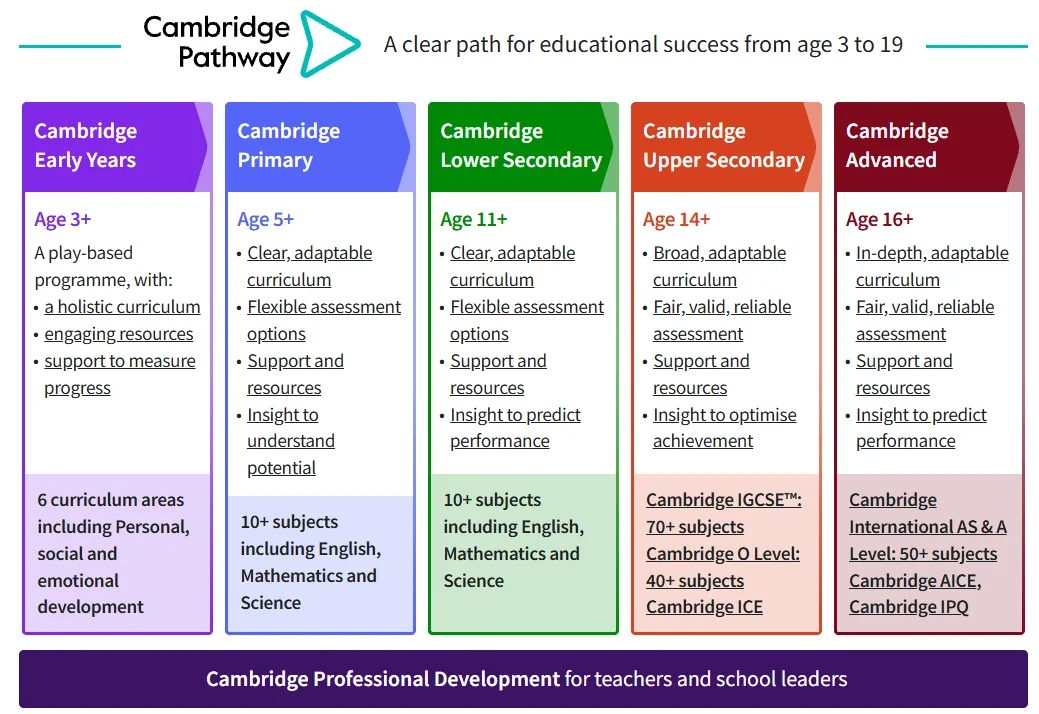
Swipe the image sideways to see it in full
Component 3 · Qur'anic excellence
Ummi is a method of learning to read the Qur'an that emphasises tartil recitation, meaning recitation that is correct, fluent and in accordance with the rules of tajwid. Children learn step by step through a structured series of books (jilid), using a direct approach (without spelling out letters) and guided by certified teachers. Each child progresses at their own pace and moves up to the next book only once their recitation is accurate.
Through this component, Al Madinah students gain:
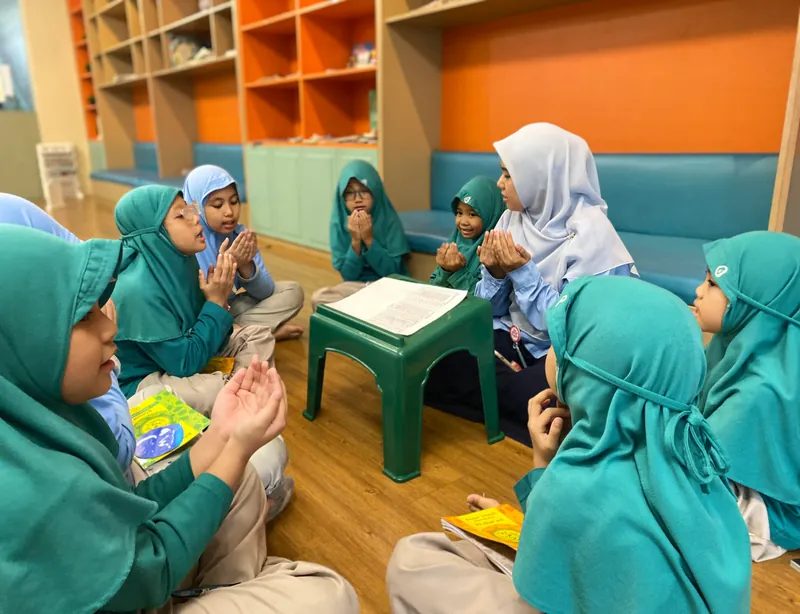
Hijaiyah letters, basic harakat (vowel marks), mad, tanwin, sukun and tasydid, through to reading simple verses fluently and with tartil.
Longer verses, basic tajwid, waqaf (pausing), and reading directly from the mushaf.
Ghorib (unusual) readings and more advanced tajwid rules, such as mad, idgham, ikhfa, iqlab and qalqalah.
Component 4 · Character formation
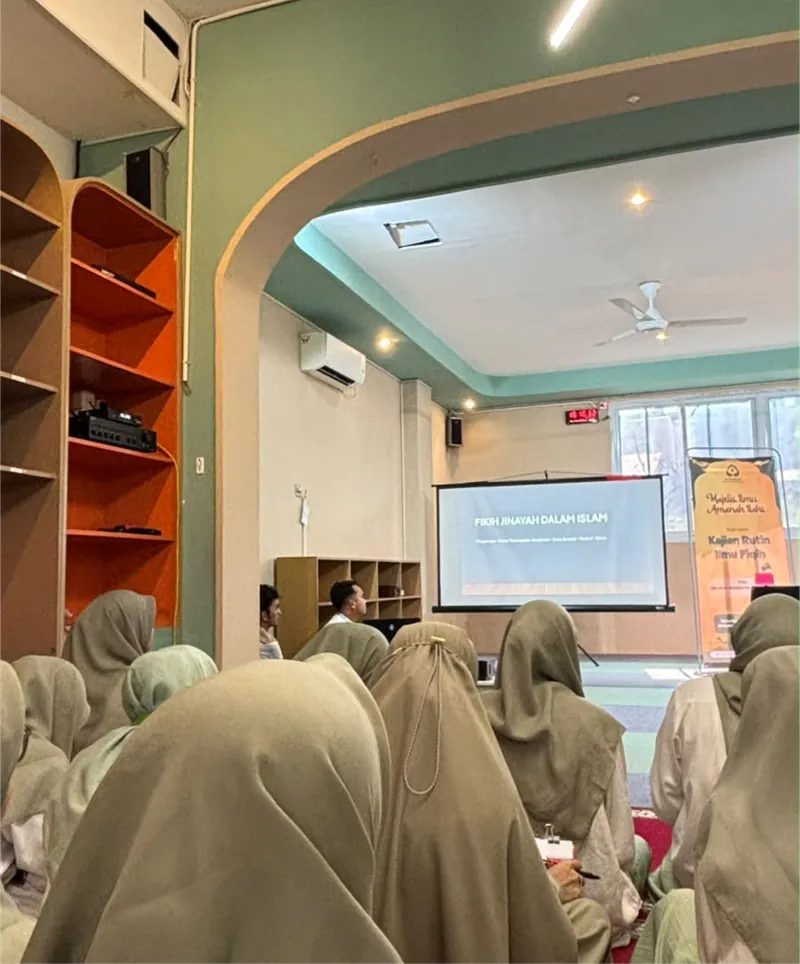
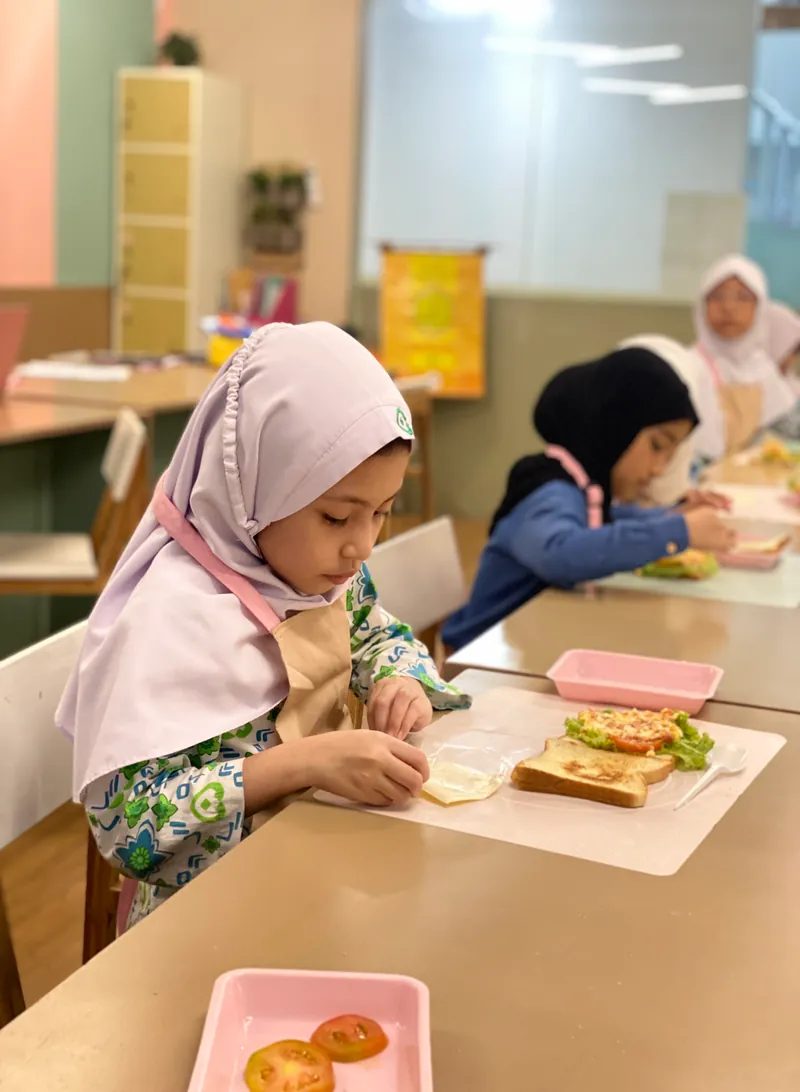
At Al Madinah, character is shaped through systems and daily habits, not merely taught as a subject. Religion is not just a stand-alone subject; it is the lifeblood of the whole of school life.
Life Skills
Adab in everyday life, responsibility and independence, and teamwork and collaboration. These are developed through the following programmes:
Details by Level
Early Years follows the Cambridge Curriculum with a holistic approach: it focuses on the whole child and connects their development with the world around them. This approach also supports bilingual and multilingual learning.
The six areas of Cambridge Early Years
All Early Years children are expected to memorise the short surahs of Juz 30, hadith and daily du'a through Tahsin and Tahfidz with the Ummi method.
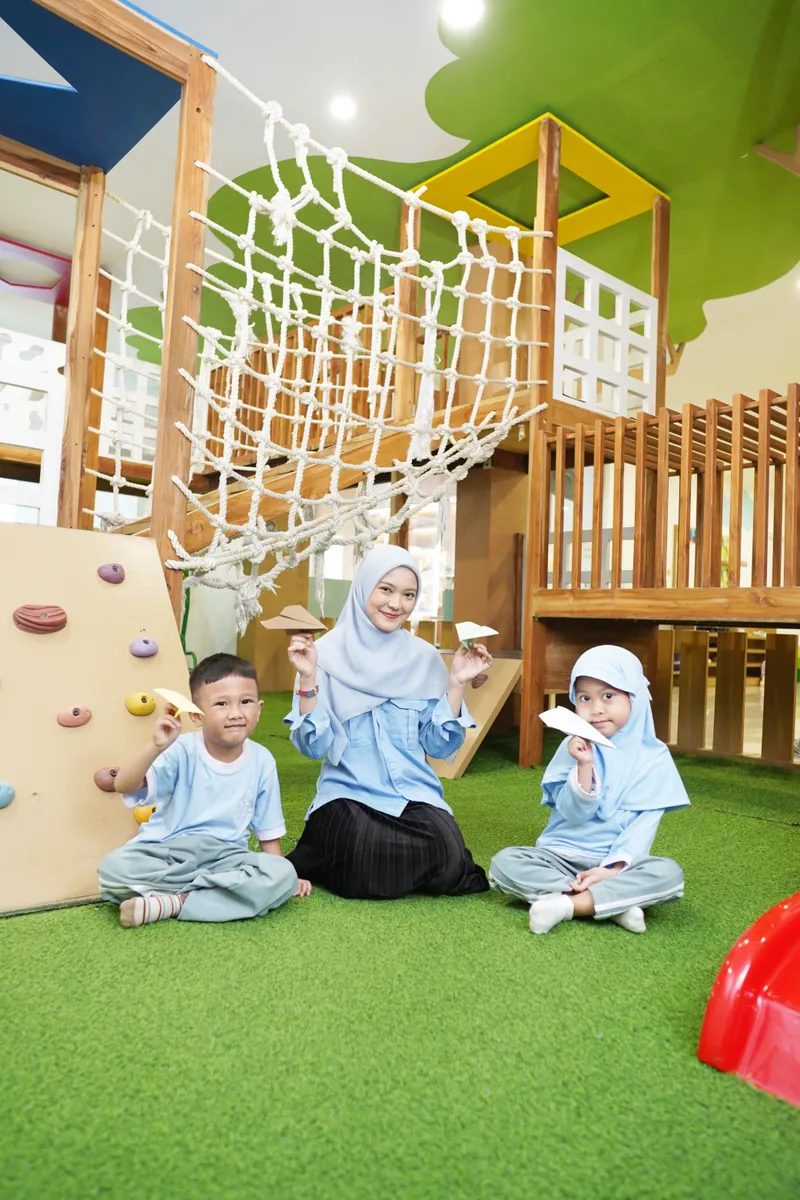
English as a Second Language, Science and Maths are taught entirely in English. Cambridge certificates are internationally recognised.
Critical thinking and problem-solving skills are built step by step across three developmental stages, alongside the Ummi method levels of Qur'an learning.
Indonesian National Curriculum: recognising national symbols, practising simple communication, following rules and caring for the environment.
Cambridge: connecting lessons with everyday life, asking questions, and trying simple ways of solving problems using numbers and observation.
Indonesian National Curriculum: being confident, reading and writing well, expressing themselves through artwork, and putting the values of Pancasila into practice through tolerance and cooperation.
Cambridge: using knowledge to solve new problems, choosing the best strategy, and explaining and defending ideas.
Indonesian National Curriculum: learners who are communicative, creative, reflect the character of Pancasila, care about society, and are ready to create and contribute within a diverse community.
Cambridge: thinking critically about their own solutions and those of others, applying mathematics and science to real situations, and taking responsibility for choosing efficient strategies and making decisions with a positive impact.
The Cambridge Checkpoint (Lower Secondary) curriculum in the Core subjects of Mathematics, Science and English, to develop critical thinking and problem solving.
Community service projects, such as waste management and village literacy.
Coming soon. For current information on lesson hours, please ask our Admissions team.
FAQ
Four components that work together: the Indonesian National Curriculum as the academic foundation, Cambridge International for global standards, Tahsin & Tahfidz with the Ummi method for Qur'anic excellence, and Character Building & Life Skills for character formation.
Yes. The Indonesian National Curriculum forms the academic foundation at every level and is compatible with the national education system, so your child's learning journey stays aligned should they later move on to another school in Indonesia.
Ummi is a method of learning to read the Qur'an that emphasises tartil recitation, meaning recitation that is correct, fluent and in accordance with the rules of tajwid. Children learn step by step through a structured series of books (jilid), using a direct approach (without spelling out letters) and guided by certified teachers. Children move up to the next book only once their recitation is accurate.
Students follow a structured Qur'an memorisation programme (Juz 30-29), with regular recitation to a teacher (Tasmi'), oral examinations (Munaqosyah) and comprehensive assessments (Imtihan Qur'an). Please ask our Admissions team for the detailed targets at each level.
In Primary, students' progress is monitored regularly, with Cambridge Primary Checkpoint at the end of the stage. In Lower Secondary, there is a Checkpoint at the end of the stage.
Through systems and daily habits, not lessons alone: congregational prayer, dhikr, du'a and adab every day, together with programmes such as Market Day, Public Speaking and English Day, as well as competitions and leadership activities.
Thank you for your interest in Al Madinah Islamic School Makassar.
If you have any further questions, please do not hesitate to ask. We are here to help.
At Al Madinah, the Indonesian National Curriculum as the foundation, Cambridge for global standards, Ummi for Qur'anic excellence, and character education and life skills come together to shape children who are God-conscious, creative and ready to lead.
Education Consultation
Our Admissions team is ready to explain the curriculum at each level and send you the AY 2027-28 e-brochure.